Pre Order!

Ephemera

Original price was: 48,00 €.Current price is: 40,00 €.

Size: 23.5 x 29
Pages: 160 + cover
Interior: Fedrigoni Arena White Rough 140 g.
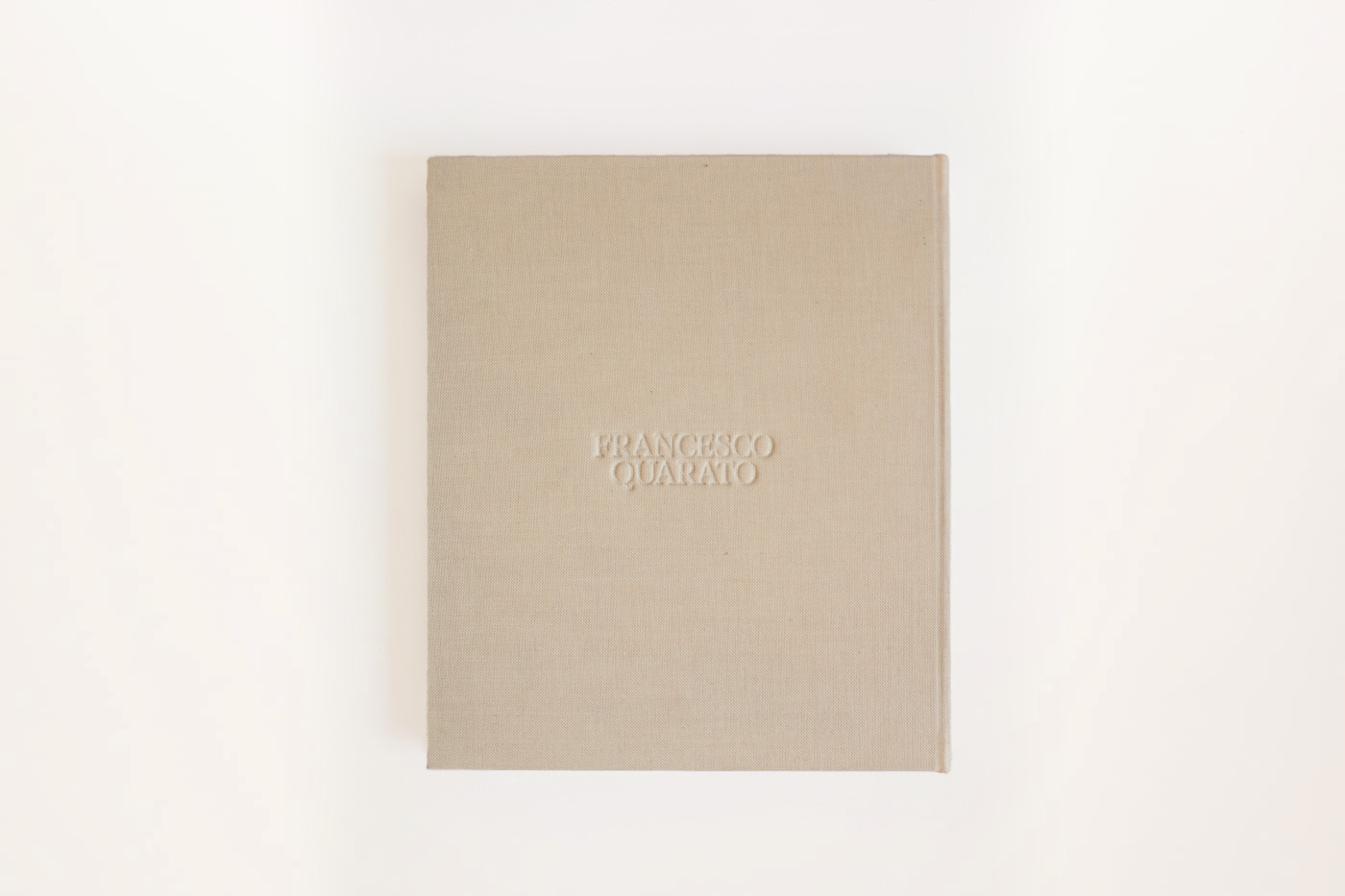
Cover: Hardcover with cloth binding and debossed title on the front and back covers
Sewn paperback
4+4 digital printing

22 in stock

Category: Tag:

Description

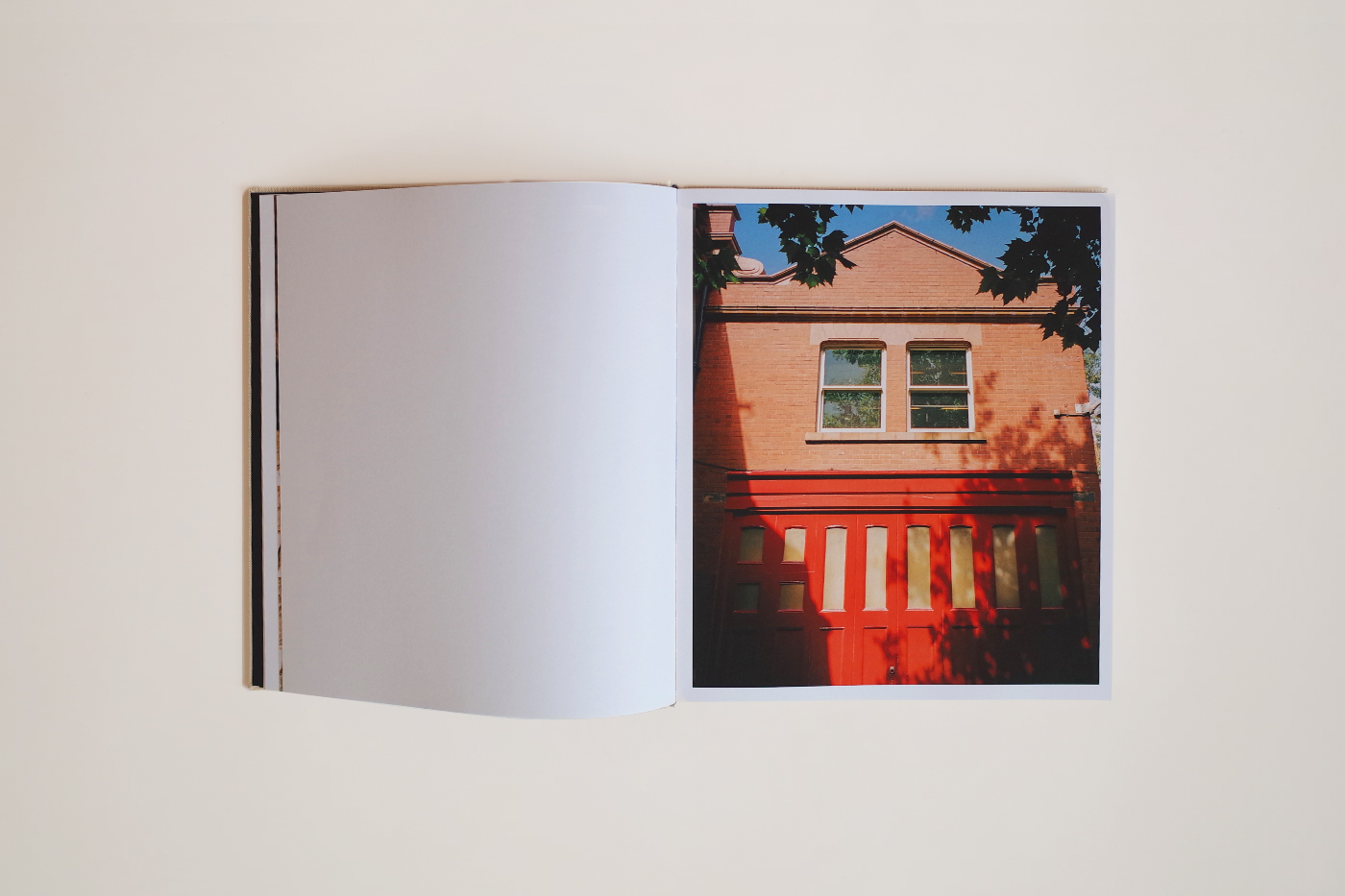
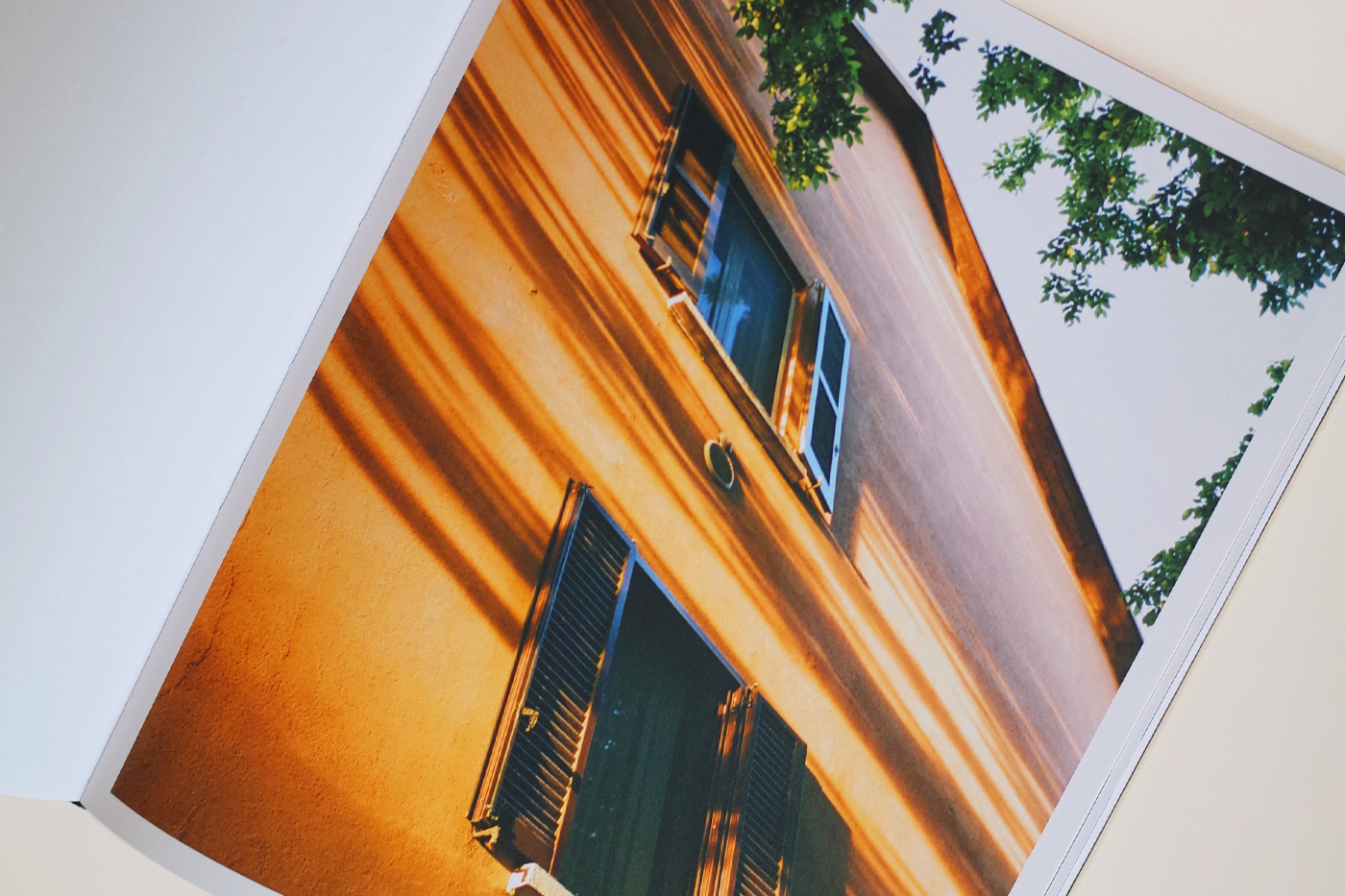
Effimeri is Francesco Quarato’s first book, a collection of analog photographs born from a careful and silent observation of everyday life.
Over the years, Quarato has collected fragments, gestures, details, and situations destined to vanish the very moment they are observed: people encountered on the street, parties, shadows, objects, traces, and small incidents of everyday life.
His gaze moves among what is ordinary, mundane, and seemingly insignificant, in search of moments when reality suddenly takes on an unexpected form. People, objects, and spaces thus become traces of a specific moment in time—spontaneous and imperfect testimonies to the way we inhabit the world.
Through color and analog photography, Quarato constructs a free-flowing, fragmentary narrative of everyday experience, in which each image preserves something fragile, unrepeatable, and destined to disappear.
Effimeri is an invitation to slow down and observe our surroundings before time transforms them or causes them to vanish.


Credits
Photography: Francesco Quarato
Text: Laura Davì and Giancarlo Pace
Editing: Martina Parolo
Graphics & Book Design: Andrea Galbusera

Additional information

Francesco Quarato

Francesco Quarato (1991) is an Italian photographer. Originally from Puglia, he lives and works in Milan, where, through photography, he observes people and the places they inhabit, capturing fragments of everyday life, relationships, details, and contrasts of the contemporary world.
His work stems from encounters with others and a keen attention to what often escapes a distracted gaze: gestures, objects, fleeting moments, and traces of human presence. He favors a slow, instinctive approach, leaving room for the unexpected and spontaneity, and primarily uses rangefinder cameras, fixed lenses, and film.
His path of research and study finds important points of reference in the work of artists such as William Eggleston, Robert Frank, Joel Meyerowitz, and Stephen Shore, who are fundamental sources of inspiration for his way of observing and portraying the world.