
Description
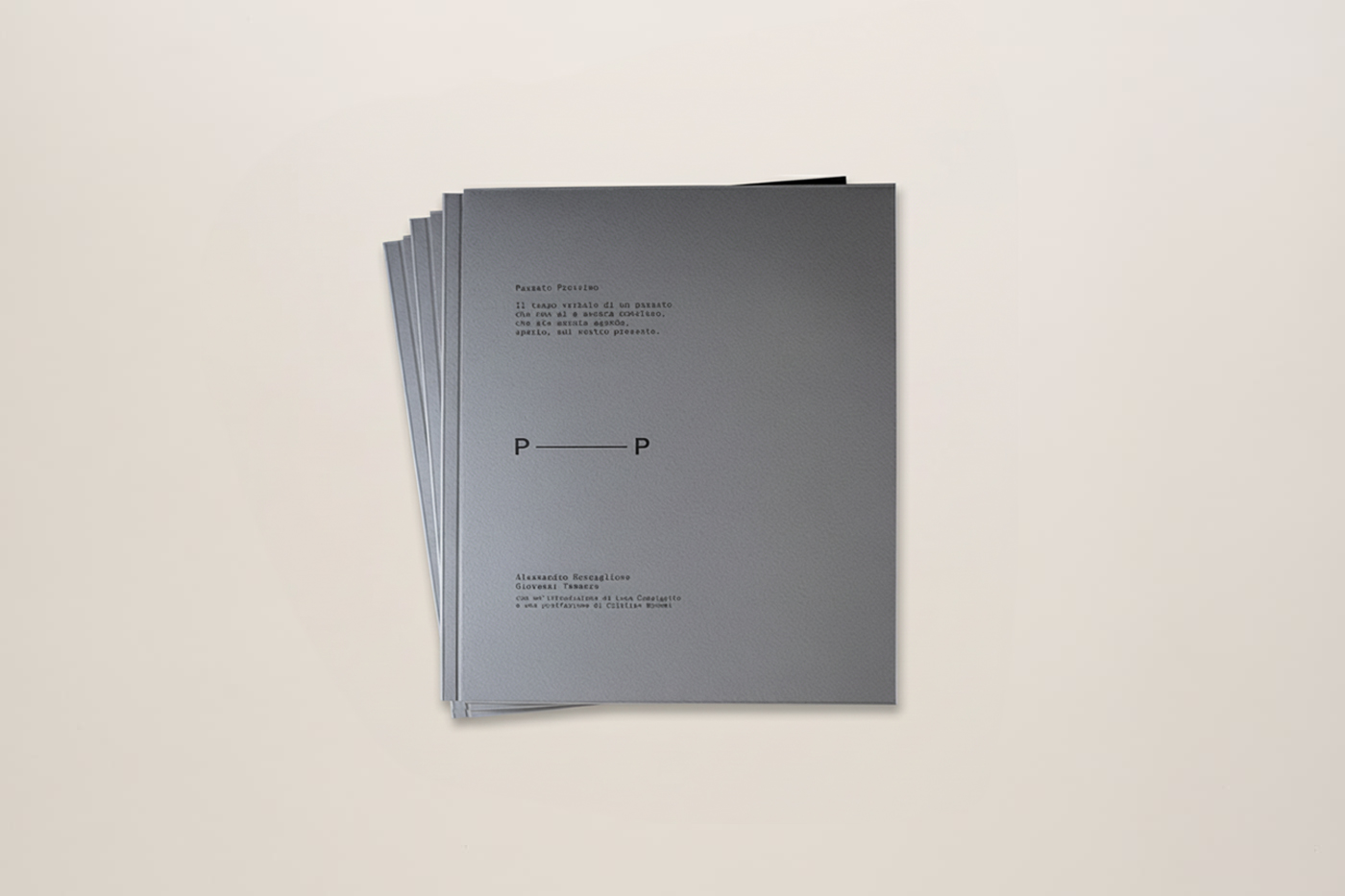
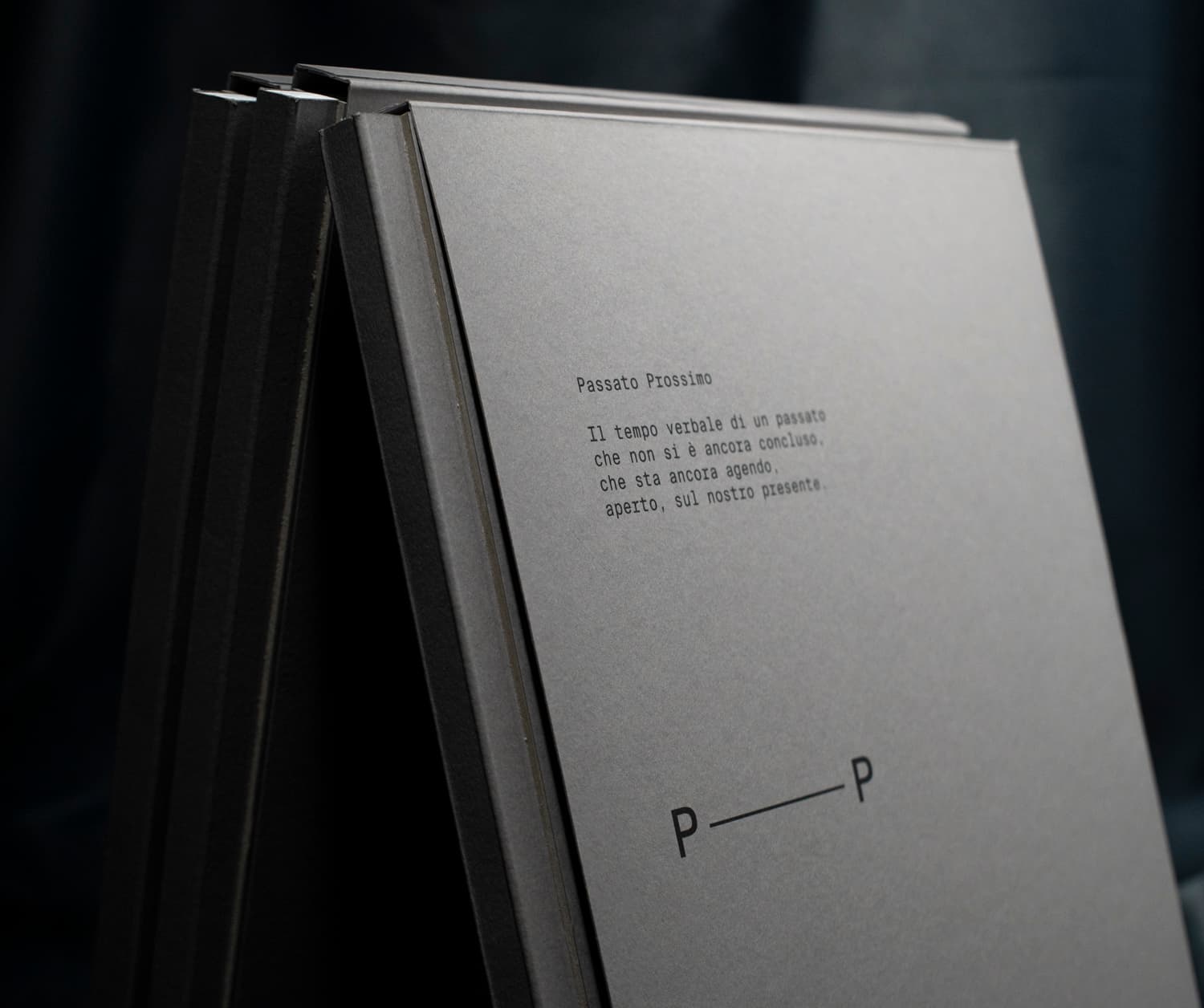
PASSATO PROSSIMO
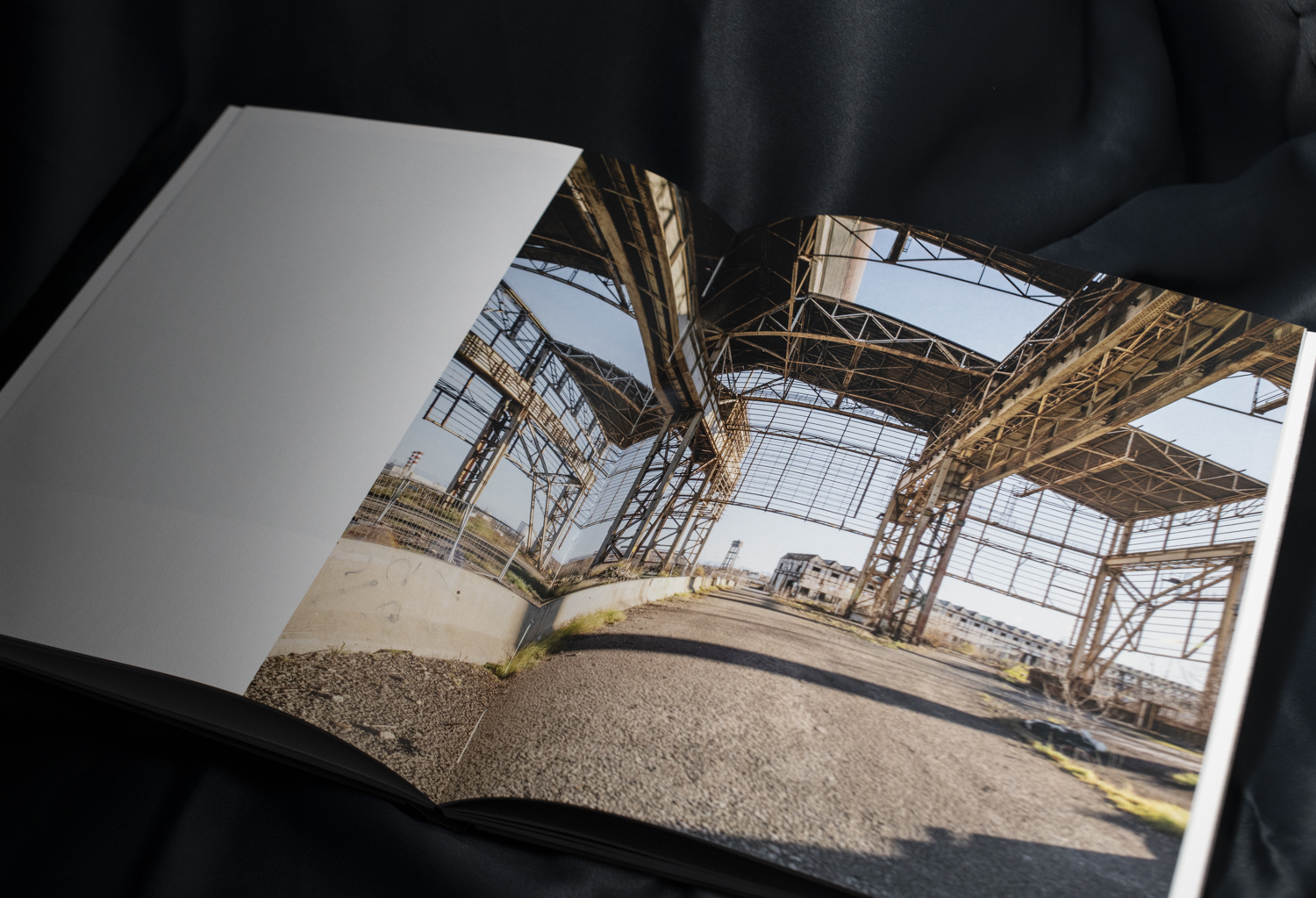
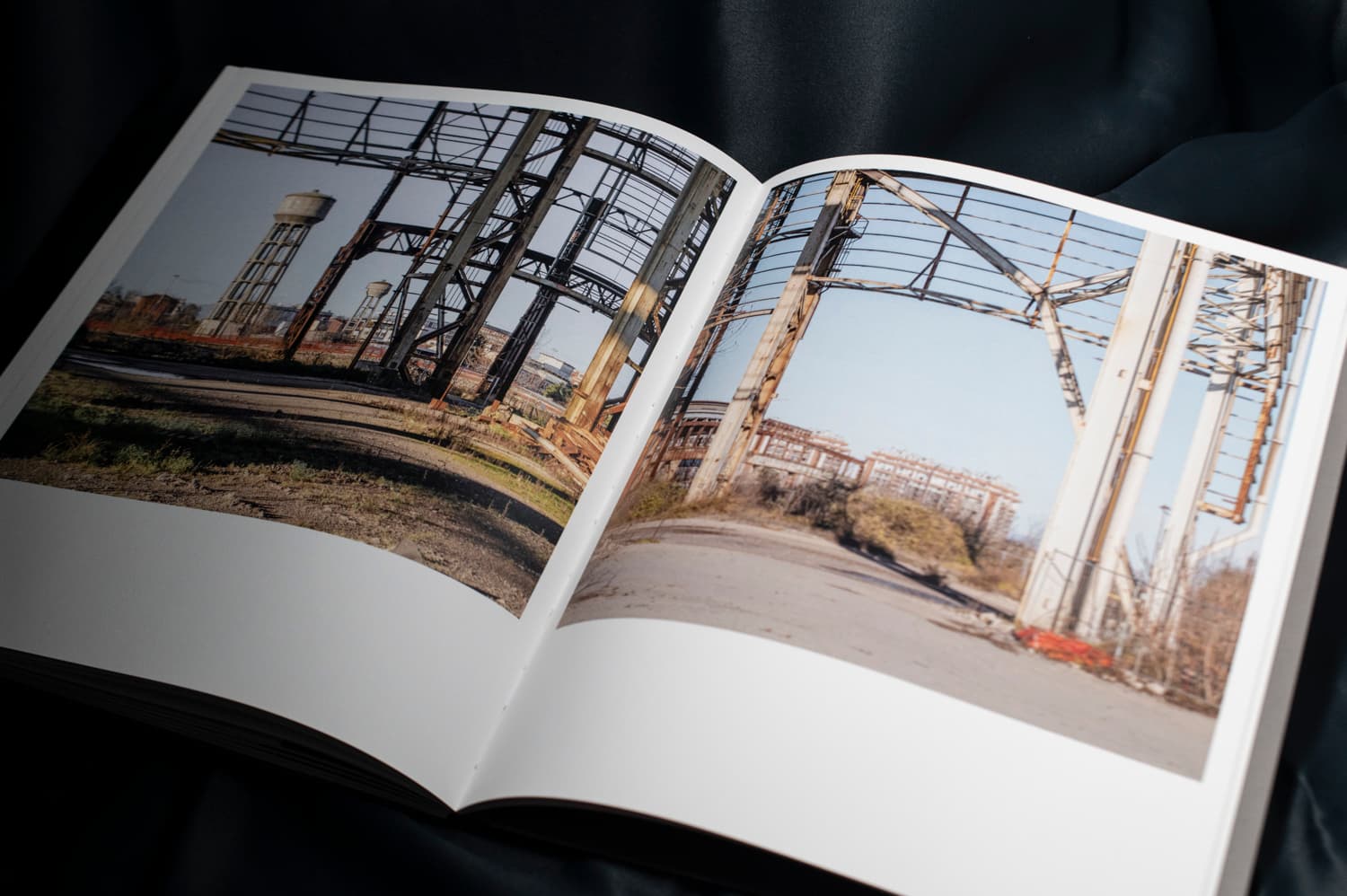
The municipalities of Sesto San Giovanni and Crespi d’Adda had similar industrial origins: both saw the emergence of villages built to accommodate, house and facilitate community life for workers close to their workplaces. The workers’ housing buildings are characterised by a simple and functional style, while services are provided through public buildings and spaces such as schools, churches, public toilets and shops. In both cases, this constitutes a valuable testimony to the industrial culture of Lombardy in the late 19th and early 20th centuries. Although they share the same urban planning objectives, the development and context of the two villages are completely different: Crespi d’Adda remained isolated in a rural setting and has retained a cosy atmosphere surrounded by greenery, preserving an integrity that makes it a unique “museum village”. Sesto San Giovanni, on the other hand, has expanded urbanistically and industrially to become an integrated metropolitan area with Milan, losing some of the village’s original isolation to become a true working-class town. Two different stories from the same industrial period, therefore, two developments that illustrate distinct models of workers’ villages: Crespi d’Adda is the utopian, self-sufficient project that has survived the passage of time and social and industrial transformations; Sesto San Giovanni is an example of evolution into an industrial city.